Direct questions to Lynn Canty, Director of Operations.APA administers the elections for all divisions. Ballots will be emailed, or mailed to those members without email addresses, on April 15. The balloting period will run from April 15 through May 14. In June the results will be certified by the APA Elections Committee and SCCAP will be notified of the results. APA will email or mail ballots to all APA and Non-APA members eligible to vote in a SCCAP election. In addition, APA members may access their ballots on their member profile page (My.APA.org).
SCCAP is a member-driven society and we are very proud to have such an active membership base. The following is a list of members who have expressed an interest in representing you on the board by running for elected SCCAP office.
President Elect 2026
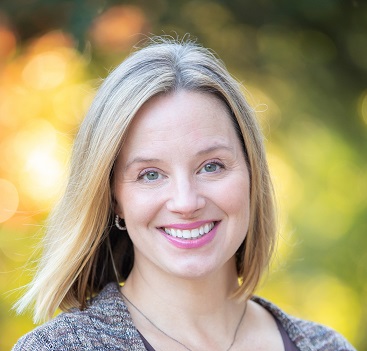
Candidate: Susan White
Dr. Susan White is Professor and Endowed Chair in Clinical Psychology at The University of Alabama, where she directs the Center for Youth Development and Intervention. She is also the Associate Dean of Research for UA’s Barefield College of Arts & Sciences. Her research and clinical work focuses on mechanism-driven intervention for co-occurring and core problems in autism. A longstanding SCCAP member, she brings to this candidacy deep expertise bridging clinical science and practice.
📝🎤 Candidate Statement
It is an honor to be considered as a candidate for President-Elect of SCCAP. If elected, I am committed to building upon our organization’s important prior initiatives—such as reducing stigma for individuals and families affected by psychological problems—while expanding SCCAP’s public reach and impact. The strong foundation established by our prior and current leadership positions us well for meaningful growth. I view SCCAP as the essential bridge between clinical science and practice, and I know many of you turn to SCCAP as the first-line resource for evidence-based assessment and intervention guidance.
Strengthening Service and Impact
I see clear opportunities to enhance how we serve members, advance our profession, and benefit the public. I am committed to broadening SCCAP’s visibility and impact through creative dissemination strategies—from strategic branding and public education to promoting scientifically grounded approaches in practice. Our field faces unprecedented demand that far outstrips current resources in clinical need and direct service provision. Implementation science offers a pathway forward: training and support for non-traditional providers, task-shifting, peer consultation models, and action-based training can help us fulfill SCCAP’s mission of advancing children’s mental health and resilience. Our organization possesses the history and expertise to meaningfully strengthen public trust in science and mental healthcare.
Investing in Our Members
I am passionate about supporting early career colleagues and trainees. If elected, I will actively identify and create additional career development opportunities for members at all levels. I am also committed to maintaining the strengths that define SCCAP—our conference excellence, the quality and reach of our journals, and the tangible benefits our organization provides to members.
I am honored by the opportunity to serve SCCAP and look forward to working with this dedicated community to advance our shared mission.
APA Council Rep 2026
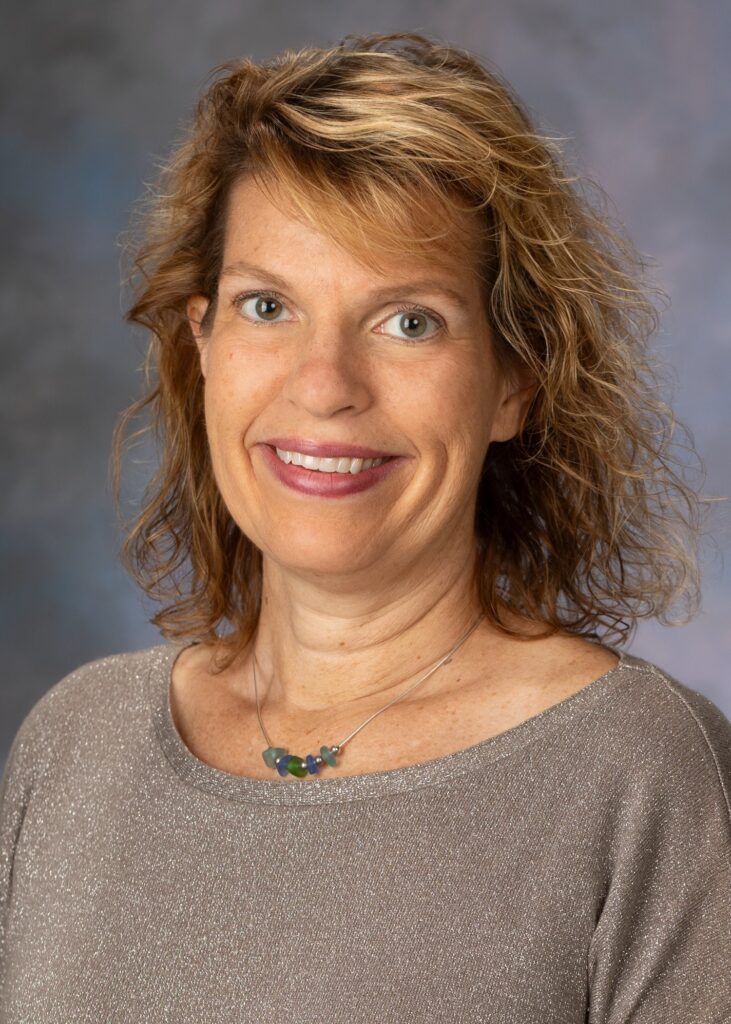
Candidate: Elizabeth MacBrayer Vickery
My professional identity has been shaped by a dedication to helping young people confront and overcome anxiety through exposure-based interventions. This work has transformed the lives of countless adolescents and their parents, and it has reinforced my belief that psychology must remain firmly grounded in science while responsive to the lived realities of those we serve. I have years of previous experience as a psychologist in inpatient, school-based, and outpatient settings, and I currently practice in a fast-paced children’s medical center affiliated with a university. My professional experience in a wide range of settings has sharpened my ability to respond quickly to complex needs, collaborate across disciplines, and deliver care that is both efficient and deeply compassionate. Working in a dynamic medical/academic setting has reinforced my belief that psychology must be integrated into broader healthcare systems, ensuring that mental health is treated with the same urgency and importance as physical heath. It has also given me a unique perspective on how systemic barriers affect families in real time, and how evidence-based interventions can be scaled to meet diverse needs.
📝🎤 Candidate Statement
I am seeking election as an APA Council Representative to advocate for the needs of children, adolescents and families; as a mid-career psychologist, I bring the perspective of someone who has spent many years deeply engaged in clinical work, while now stepping into advocacy with fresh energy and commitment. A lifelong introvert, I have an inclination toward reading research journals in solitude, honing my practice with a small group of dedicated clinicians, and consulting with a limited circle of trusted colleagues. At this point in my career, the time is right to “practice what I preach” in terms of exposure for my own social anxiety, forgoing the cozy nest of my office, department, and geographical region to engage more actively in politics as a way of living my profession. While I am new to formal advocacy on a national scale, I see it as a
natural extension of my clinical work. For years, I have been a voice for my patients and their families, helping them navigate systems that must often feel overwhelming or incomprehensible. Now I am eager to bring that same commitment to a broader stage—ensuring that APA policies and initiatives reflect the importance of accessible, scientifically-grounded treatments for youth and their families.
As APA Council Representative, I would bring expertise to bear on ensuring that APA policies reflect the best evidence-based treatments (such as exposure therapy) and are translated into practical tools for clinicians. Working in a fast-paced medical center gives me insight into how insurance, access, and workforce shortages, along with socio-political pressures, affect both help- seeking families and treatment-providing clinicians. With my experience in designing programs that integrate parents, I am positioned to push prioritization of caregiver involvement into treatment models, emphasizing the importance of changing family dynamics to ensure lasting progress. As both a child psychologist and a single parent, I am uniquely positioned to help ensure that APA policies reflect the realities and address the needs of families from different backgrounds and structures.
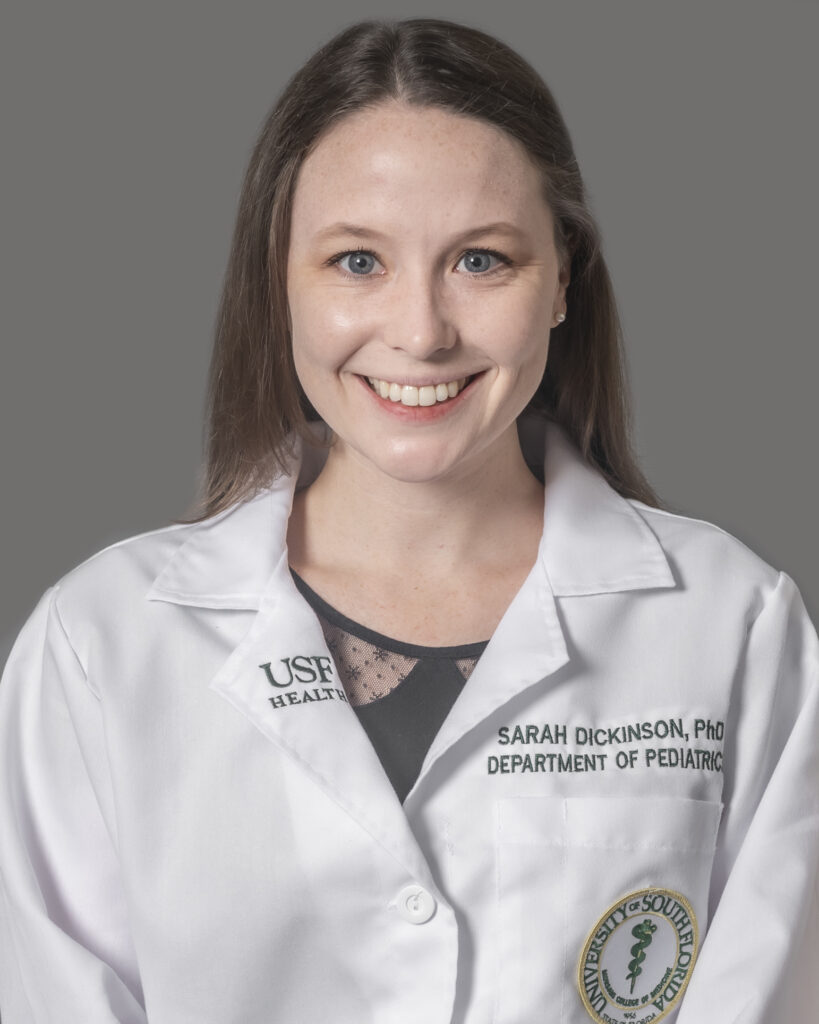
Candidate: Sarah Dickinson
I am a school psychologist by training and graduated from the University of South Florida (USF) with a PhD in 2019. I completed a 2-year fellowship in pediatric psychology at the Rothman Center for Neuropsychiatry from 2019-2021. Since then, I have become a Florida licensed psychologist and a board certified clinical child and adolescent psychologist. Throughout my graduate training and beyond, I have specialized in early childhood trauma and disruptive behavior disorders. I have particular interest in equitable access to evidence-based care for underserved and underrepresented children and families such as those with developmental delay or low-income and economic marginalization. I currently provide a range of clinical, research, and leadership services as an assistant professor at a large academic medical center. In my role, I am the co-Principal Investigator of a community contract focused on the
provision of accessible and affordable parent training groups to any caregiver in the community who has a child ages birth to fifth grade. In addition, I provide a day a week of clinical care wherein I offer comprehensive psychological evaluations as well as individual therapy for children ages 2-18 years. I am the internship director of the USF Doctoral Internship in Professional Psychology, which is an APA-accredited and APPIC-approved site. Finally, I offer professional service as the 2026 APA Convention chair to Division 53 and as an affiliate to the Florida Institute for Child Welfare, a state-wide agency focused on enhancing the sustainability of child welfare.
📝🎤 Candidate Statement
I am interested in becoming APA Council Representative due to my commitment to evidence-based practice for all children and families. It is my goal to be supportive of the needs of children and adolescents at primary, secondary, and tertiary levels so I may make change at micro and macro levels. I currently support children at both secondary and tertiary levels through clinical work and research, and I would be honored to be a steward of children at a systems level through APA Council Representative for Division 53.
I have dedicated my career to values espoused by SCCAP: to “promote scientific inquiry, training, professional practice, and public policy in clinical child and adolescent psychology as a means of improving the welfare and mental health of children, youth, and families in the context of a diverse society.” I have a unique combination of leadership, clinical, and consultative skills that I have applied in diverse school, clinical, and academic settings. As such, I have a comprehensive understanding of the needs of diverse children across settings and the advocacy necessary to push forward initiatives that advance the mission of SCCAP. As Council Representative, I will advocate for diverse, equitable, and inclusive practice policies for children, adolescents, and their families. In addition, I will listen to the priorities of SCCAP members and work with other division Council Representatives to actualize priorities. My current role in Division 53 as convention chair means I have burgeoning experience with SCCAP leadership and understand the role and function of the organization, making me ideally positioned to represent the division as a Council Representative.